Plant Care Guide
Nurture your green companions with confidence
Master the essentials of indoor plant care with our expert tips and guidance
Watering Wisdom
💧 Check Before You Water
Insert your finger about two inches into the soil. If it feels dry at that depth, it is time to water. Different plants have different needs, so always check rather than following a rigid schedule.
🚿 Water Thoroughly
When you water, do it thoroughly until water drains from the bottom. This ensures the entire root system gets moisture. Empty the drainage tray after 30 minutes to prevent root rot.
⏰ Morning is Best
Water your plants in the morning when possible. This gives leaves time to dry before evening, reducing the risk of fungal issues and allowing plants to utilize the moisture during their active growth period.
💦 Use Room Temperature Water
Cold water can shock plant roots. Let tap water sit for a few hours to reach room temperature and allow chlorine to dissipate, or use filtered water for sensitive plants.
Light Requirements
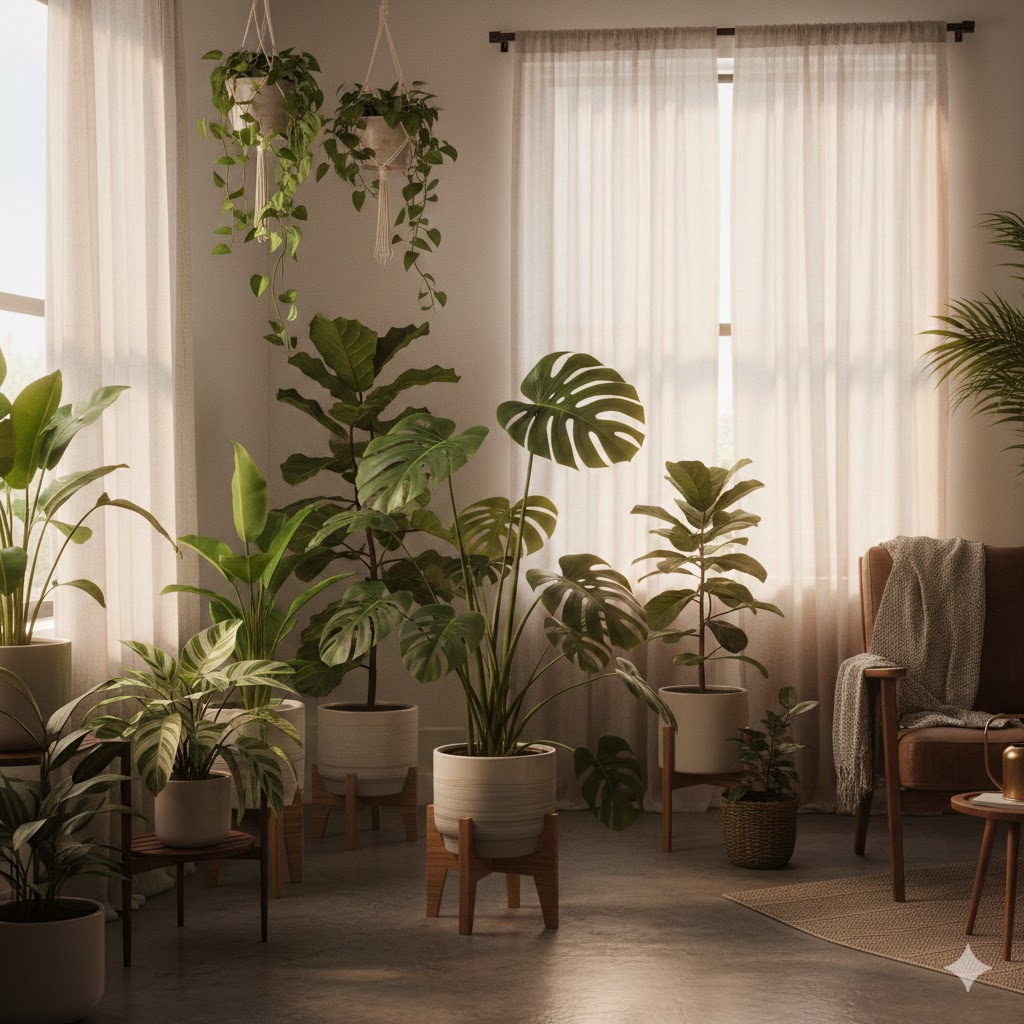
☀️ Bright Indirect Light
Most tropical plants thrive in bright, indirect light. Place them near east or west-facing windows, or a few feet back from south-facing windows. Avoid direct midday sun which can scorch leaves.
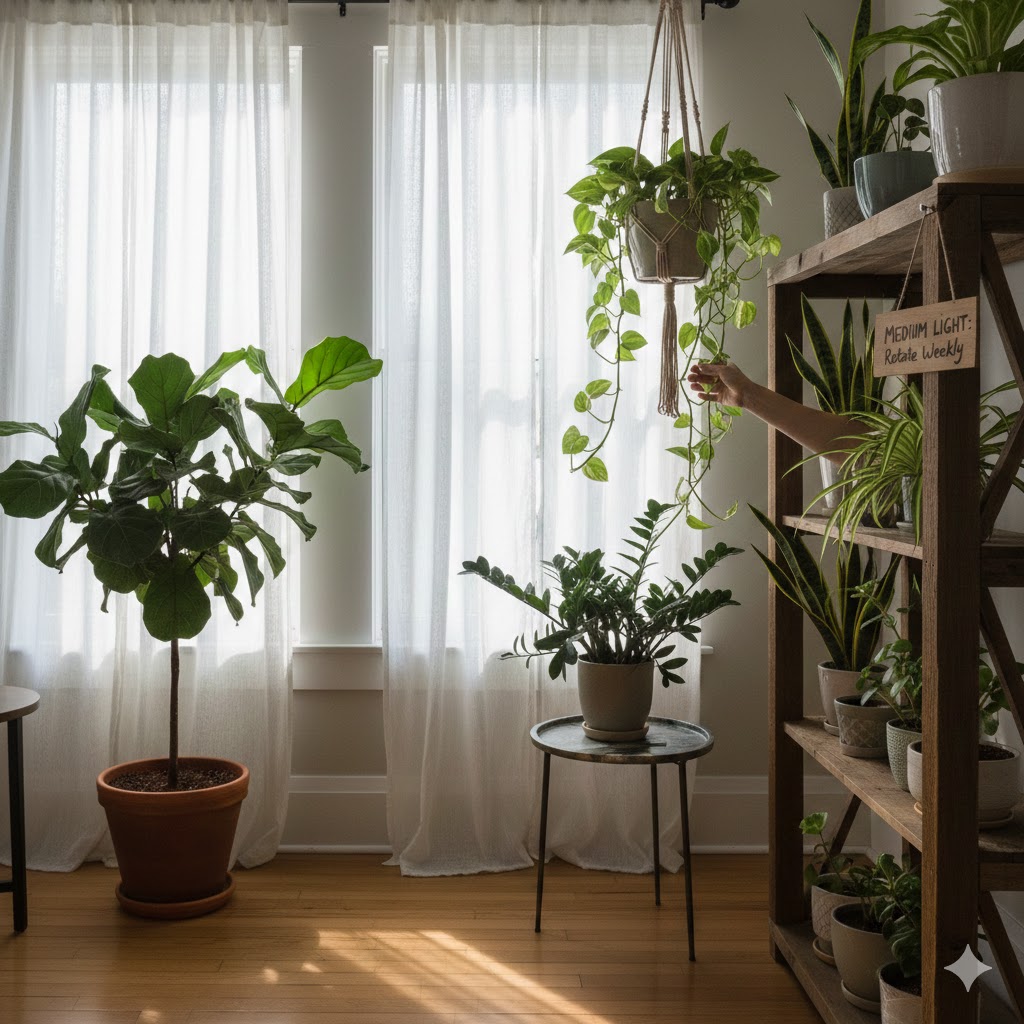
🌤️ Medium Light
Areas that receive filtered light through sheer curtains or are farther from windows. Many adaptable plants do well here. Rotate plants weekly for even growth.
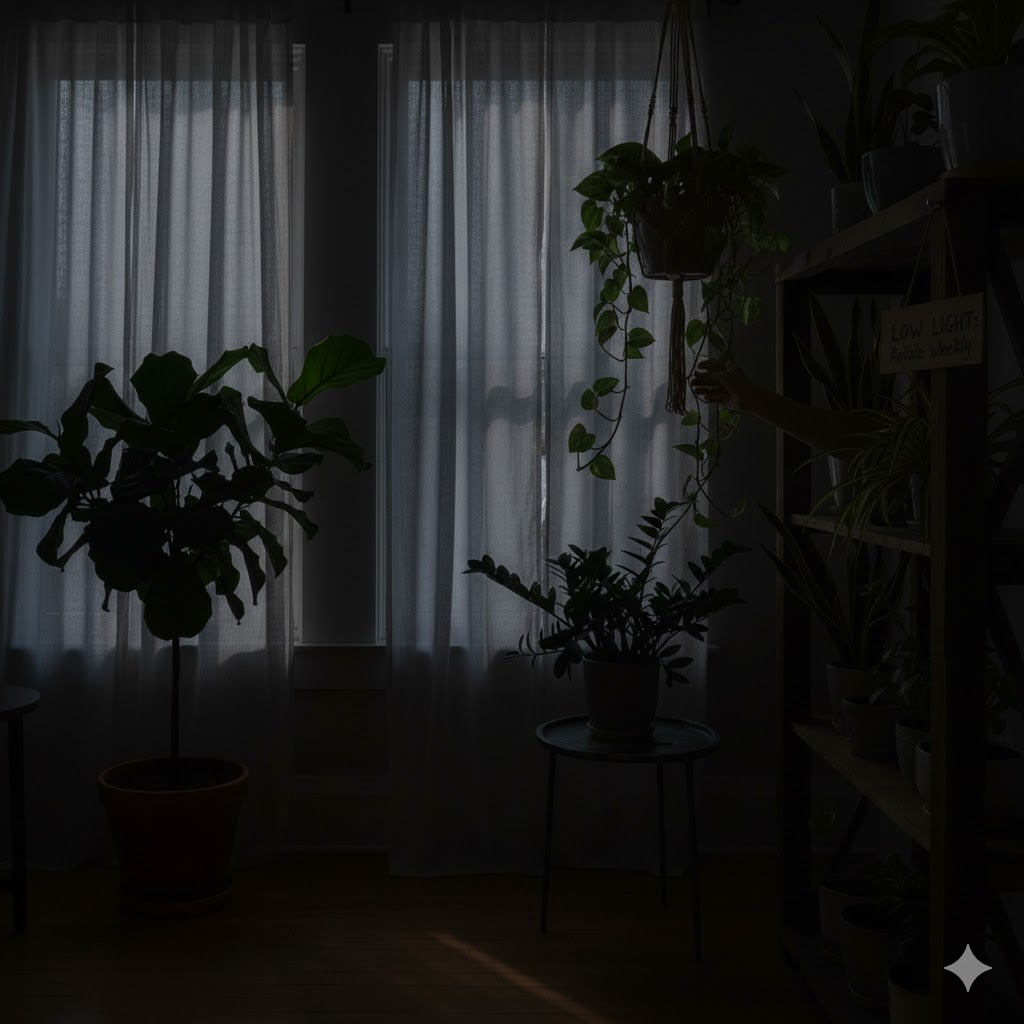
🌙 Low Light
North-facing windows or corners of rooms away from windows. Only certain hardy plants like snake plants and pothos can thrive in these conditions. Growth will be slower but steady.
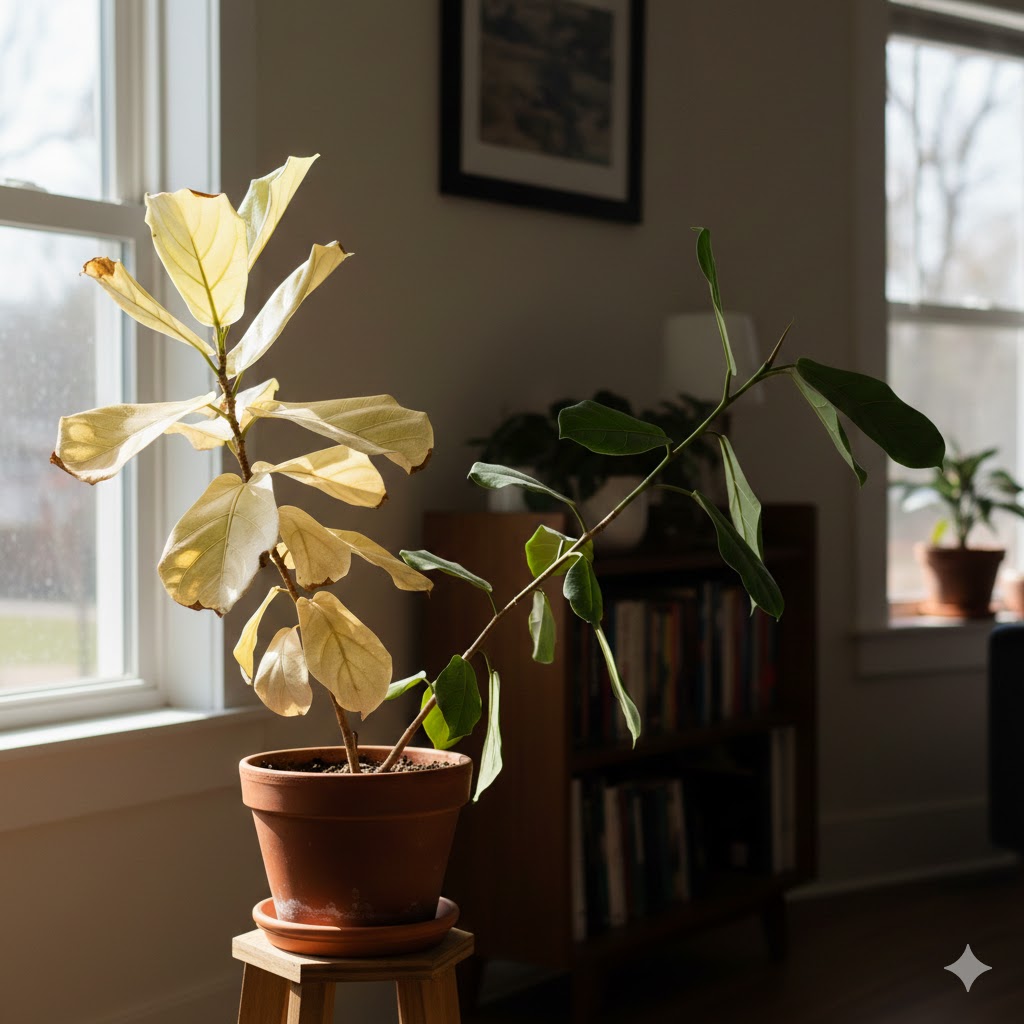
🔄 Watch for Signs
Pale or yellow leaves often indicate too much light, while leggy growth with sparse leaves suggests insufficient light. Adjust placement based on your plant's signals.
Fertilizing Fundamentals
Nourish for Growth
During the growing season (spring and summer), most indoor plants benefit from regular feeding. Use a balanced liquid fertilizer diluted to half strength every 4-6 weeks.
In fall and winter, most plants enter a dormant phase. Reduce or stop fertilizing during these months as plants require fewer nutrients when growth slows.
Always water plants before fertilizing to prevent root burn. Never fertilize a stressed or newly repotted plant, give them time to establish first.
Look for signs of nutrient deficiency like yellowing older leaves or stunted growth, but remember that less is often more when it comes to fertilizer.
Troubleshooting Common Issues
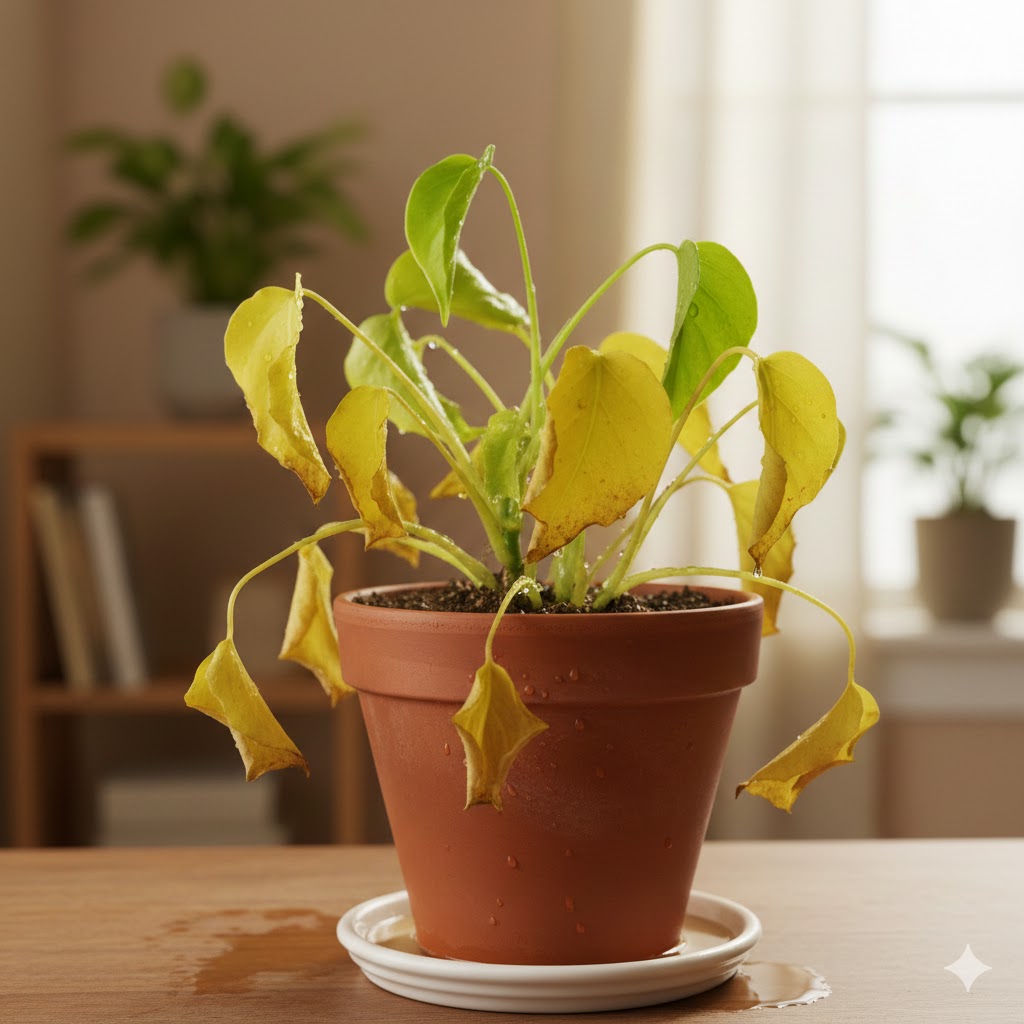
🍂 Yellow Leaves
Often caused by overwatering. Check soil moisture and ensure proper drainage. Can also indicate natural aging of lower leaves, which is normal. Adjust watering frequency as needed.
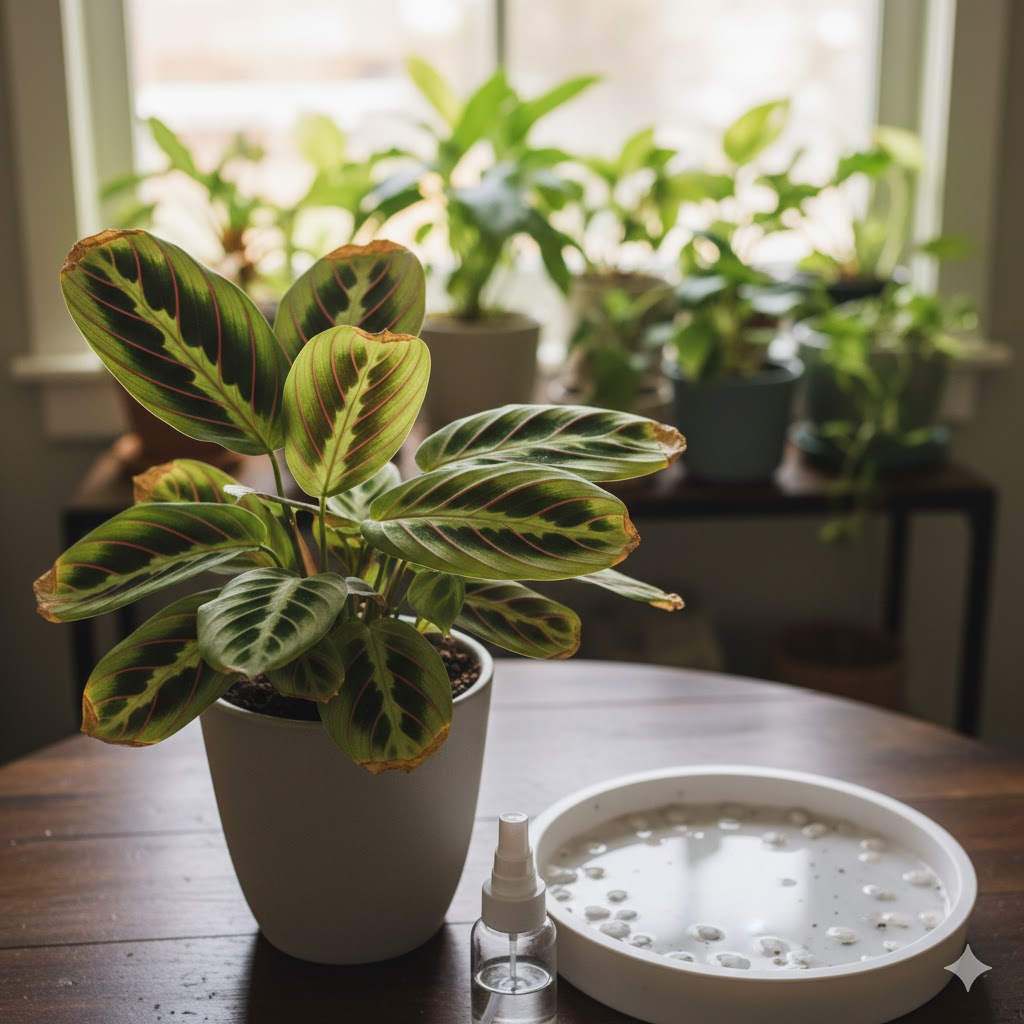
🦠 Brown Leaf Tips
Usually indicates low humidity or inconsistent watering. Mist leaves regularly, use a pebble tray with water, or group plants together to increase ambient humidity around them.
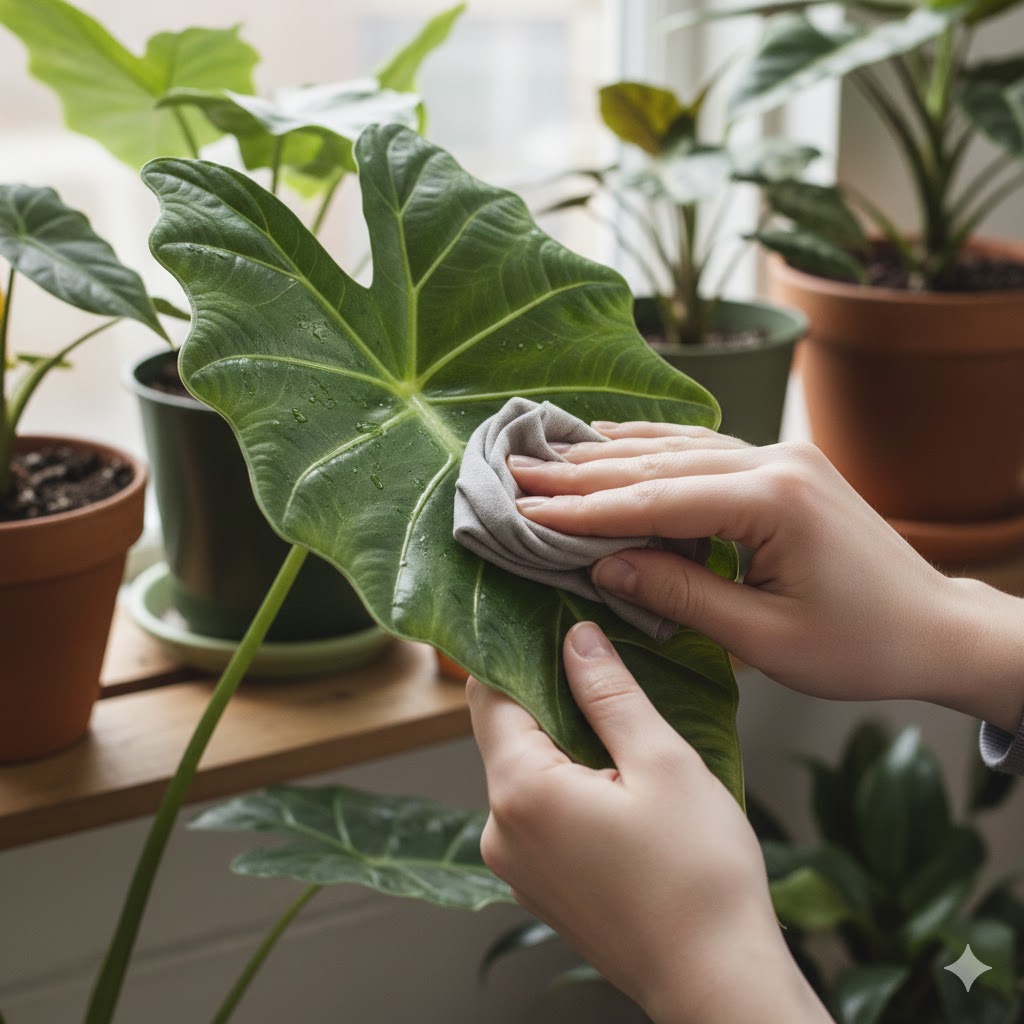
🐛 Pest Prevention
Inspect plants regularly, especially new additions. Wipe leaves occasionally with a damp cloth. Isolate any affected plants immediately and address issues with appropriate natural solutions.
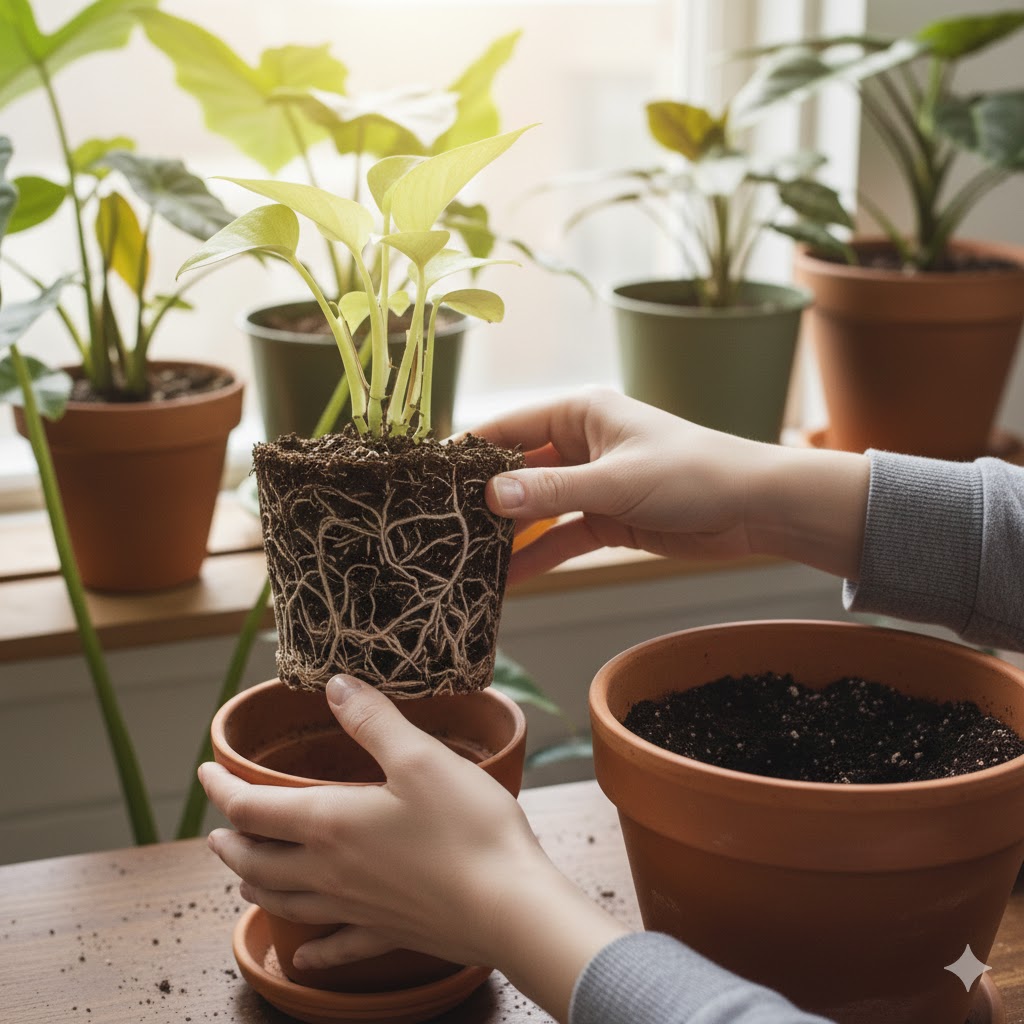
🌱 Slow Growth
Could indicate insufficient light, depleted soil, or being rootbound. Assess conditions and consider repotting if roots are circling the pot. Ensure adequate light and nutrition.
Seasonal Care Adjustments
🌸 Spring & Summer
Active growth period. Increase watering frequency as plants drink more. Resume regular fertilizing. This is the best time for repotting and propagating. Provide adequate ventilation on warm days.
🍂 Fall & Winter
Dormant period for most plants. Reduce watering as evaporation slows. Stop or minimize fertilizing. Move plants away from cold drafts and heating vents. Shorter days mean less light, so position plants strategically.
Need Personalized Advice?
Our plant care experts are here to help you with specific questions about your plants
Contact Us Browse Plants